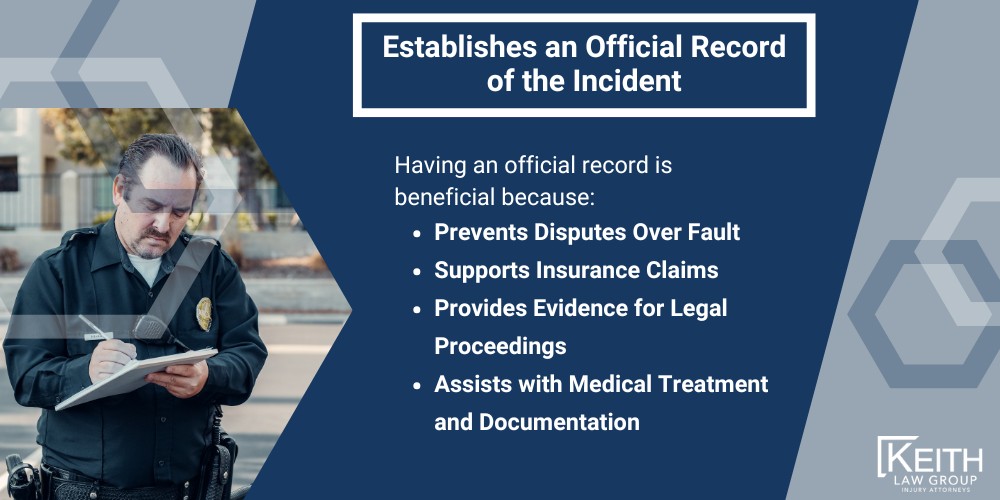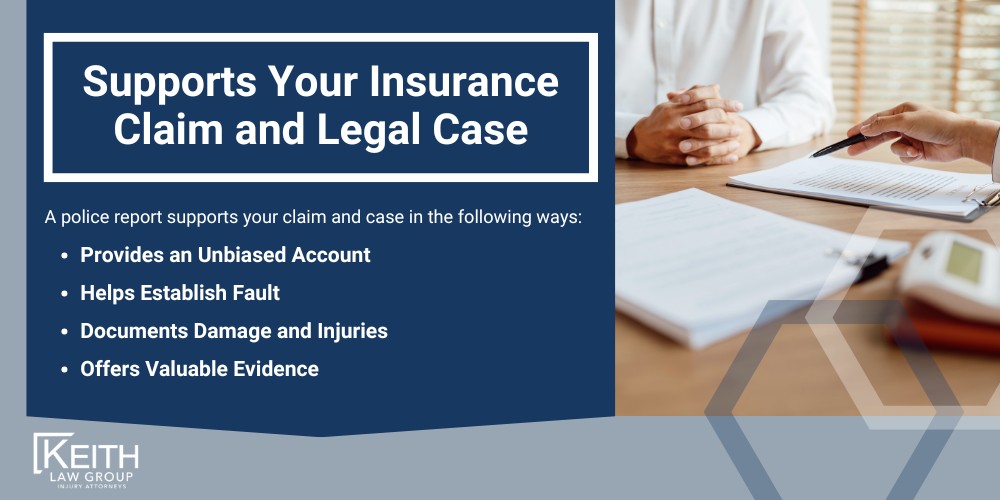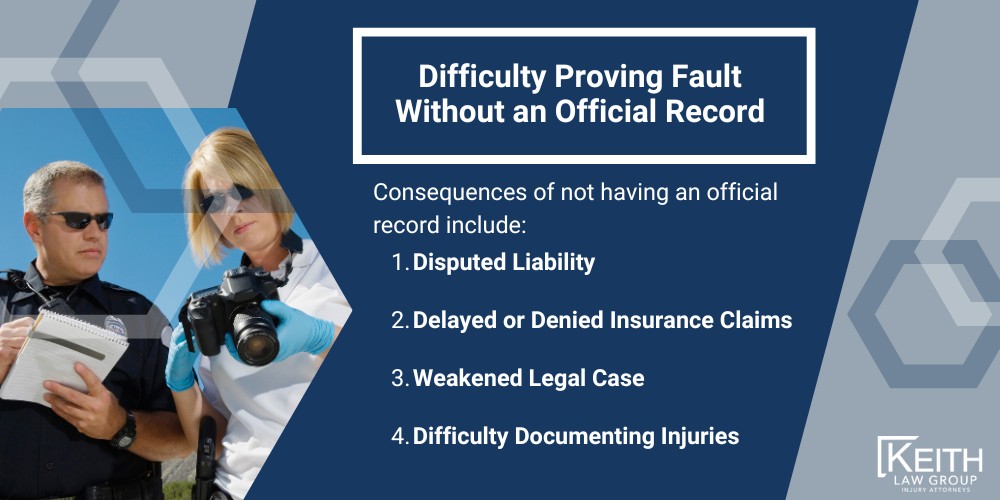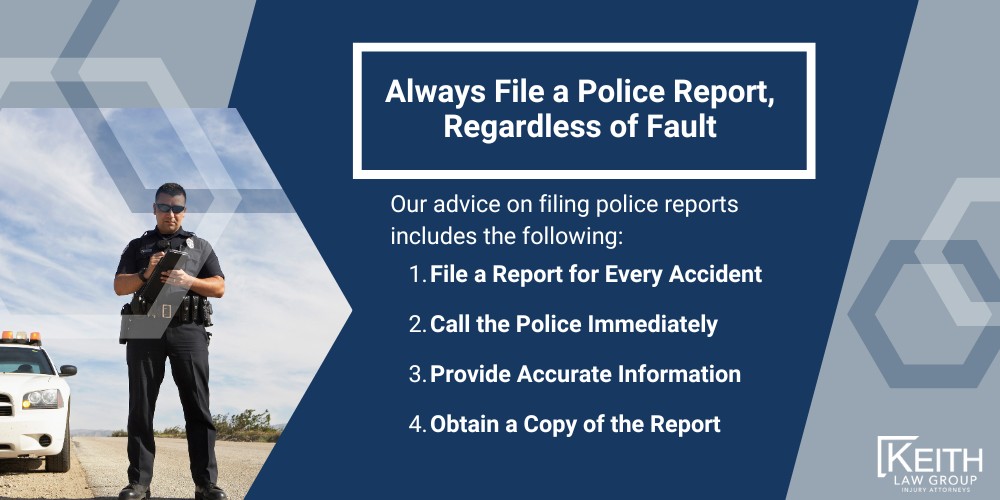

Arkansas law mandates drivers file a police report for any accident resulting in injury, death, or property damage exceeding $1,000.
However, even if the accident does not meet these criteria, it is still advisable to file a report to protect your interests and create an official record of the incident.
Scenarios that necessitate filing a police report in Arkansas include:
- Accidents Resulting in Injury or Death: Any accident that causes injury or fatality must be reported.
- Property Damage Exceeding $1,000: If the total property damage is estimated to be over $1,000.
- Uninsured or Underinsured Drivers: Filing a report is crucial if the other driver lacks sufficient insurance coverage.
- Hit-and-Run Accidents: If the other driver flees the scene, a police report is essential for tracking them down and holding them accountable.
It’s always best to err on caution when in doubt and file a police report.
This can save you from potential legal issues and difficulties with insurance claims.
Steps to Take When Filing a Police Report in Arkansas
Taking the right steps when filing a police report is important to ensure that all relevant details are captured accurately and provide a reliable account of the incident for future reference.
Here are the steps to take when filing a police report in Arkansas:
- Check On Other Parties Involved: Immediately after the accident, check on the well-being of the other driver, passengers, and any pedestrians involved. Call for emergency medical assistance if anyone is injured.
- Contact the Police: Call 911 or the local non-emergency number to report the accident and request an officer at the scene. Provide the dispatcher with your location, number of vehicles involved, and any known injuries.
- Gather Information: While waiting for the police to arrive, exchange contact and insurance information with the other driver. Collect names and contact details of any witnesses.
- Document the Scene: Take photos of the accident scene, vehicle damage, and any visible injuries. These images can serve as valuable evidence for your claim.
- Provide a Statement: When the officer arrives, give a clear, factual account of what happened. Stick to the facts and avoid admitting fault or speculating about the cause of the accident.
- Obtain a Copy of the Report: Ask the officer how you can obtain a copy of the police report for your records. You may need to contact the police department or visit their website to request a copy.
- Notify Your Insurance Company: Contact your insurance provider to report the accident and provide them with a copy of the police report. This will initiate the claims process.
- Consult with an Attorney: If you’ve been injured or have questions about your rights, consult with an experienced Arkansas car accident attorney who can guide you through the legal process and protect your interests.
Contact the Police Immediately After the Accident
Once you’ve determined that you must file a police report, contact law enforcement immediately.
In most cases, you should call 911 to dispatch an officer to the accident scene.
Provide the dispatcher with your location, the number of vehicles involved, and any known injuries.
Make sure to provide the following information when calling the police:
- Location of the Accident: Provide the exact address or a detailed location description.
- Number of Vehicles Involved: Let the dispatcher know how many vehicles were involved in the accident.
- Injuries or Potential Hazards: Report any known injuries or hazards, such as fuel leaks or traffic blockages.
- Your Contact Information: Give the dispatcher your name and phone number if they need to reach you.
If the accident is minor and the vehicles are movable, you may be asked to move to a safer location nearby to wait for the officer.
Always prioritize safety and follow the dispatcher’s instructions.
Provide Accurate Information to the Responding Officer
When the police officer arrives at the scene, they will ask for your account of the accident and collect information from all parties involved.
It’s crucial to provide accurate and honest information to the best of your ability.
Details to share with the responding officer include:
- Your Driver’s License and Insurance Information: The officer must verify your identity and insurance coverage.
- A Detailed Account of the Accident: Describe how the accident occurred, including any relevant details leading up to the incident.
- Witness Information: If there were any witnesses to the accident, provide their names and contact information to the officer.
- Photos or Videos of the Scene: If you have taken any photos or videos of the accident scene, damage, or injuries, share them with the officer.
Remember to remain calm and cooperative when interacting with the police officer.
Stick to the facts and avoid admitting fault or making speculative statements about the cause of the accident.