175 Reviews
5.0
★★★★★

Common Types of Accidents in Arkansas

Most Common Types of Arkansas Car Accidents

Arkansas recorded 4,089 roadway fatalities between 2016 and 2022, ranking the state 4th nationally in 2022 with 21.1 deaths per 100,000 residents, according to the Arkansas Center for Health Improvement.

Common types of car accidents in Arkansas include rear end collisions, T-bone collisions, head on collisions, sideswipe accidents, rollover accidents, single vehicle accidents, multi vehicle accidents, merging accidents, hit-and-run crashes, and parking lot accidents.

These types of accidents vary widely in severity, fault patterns, and the kind of evidence needed to prove a claim.

Common Types of Accidents in Arkansas

Injured in a Car Accident in Arkansas? Contact Keith Law Group

The type of crash is one of the first details an insurance adjuster reads on the police report.

The adjuster compares it with the damage on each vehicle and the driver statements to assess fault and test whether the reported injuries fit the crash.

If you or a loved one were injured in a car accident in Arkansas, Keith Law Group can review the crash report, deal with the insurance company, and evaluate how the collision type may affect fault, evidence, and available compensation under Arkansas law.

Contact us today for a free consultation.

Use the chat feature on this page to find out whether you may qualify for an Arkansas personal injury claim.

What Are the Most Common Types of Car Accidents in Arkansas?

Car accidents can be categorized into various types of car accidents, each presenting different risks and potential injuries, including single vehicle accidents, multi-vehicle pileups, and rollovers.

Most personal injury claims arising from Arkansas roadways involve one of several recognizable types of car accidents, and the same incident can fit more than one category.

For example, a multi-vehicle pileup often begins with a single rear-end strike, and a sideswipe can push a driver into a guardrail or another vehicle, turning one type of accident into another within the same incident.

Different types of car accidents raise different questions about fault, evidence, and recovery, which is why early case review of Arkansas car accidents matters even before the medical picture is complete.

The sections that follow break down each major type of car accident in Arkansas, including the typical contributing factors, fault analysis, and common injuries associated with each pattern.

Rear-End Collisions

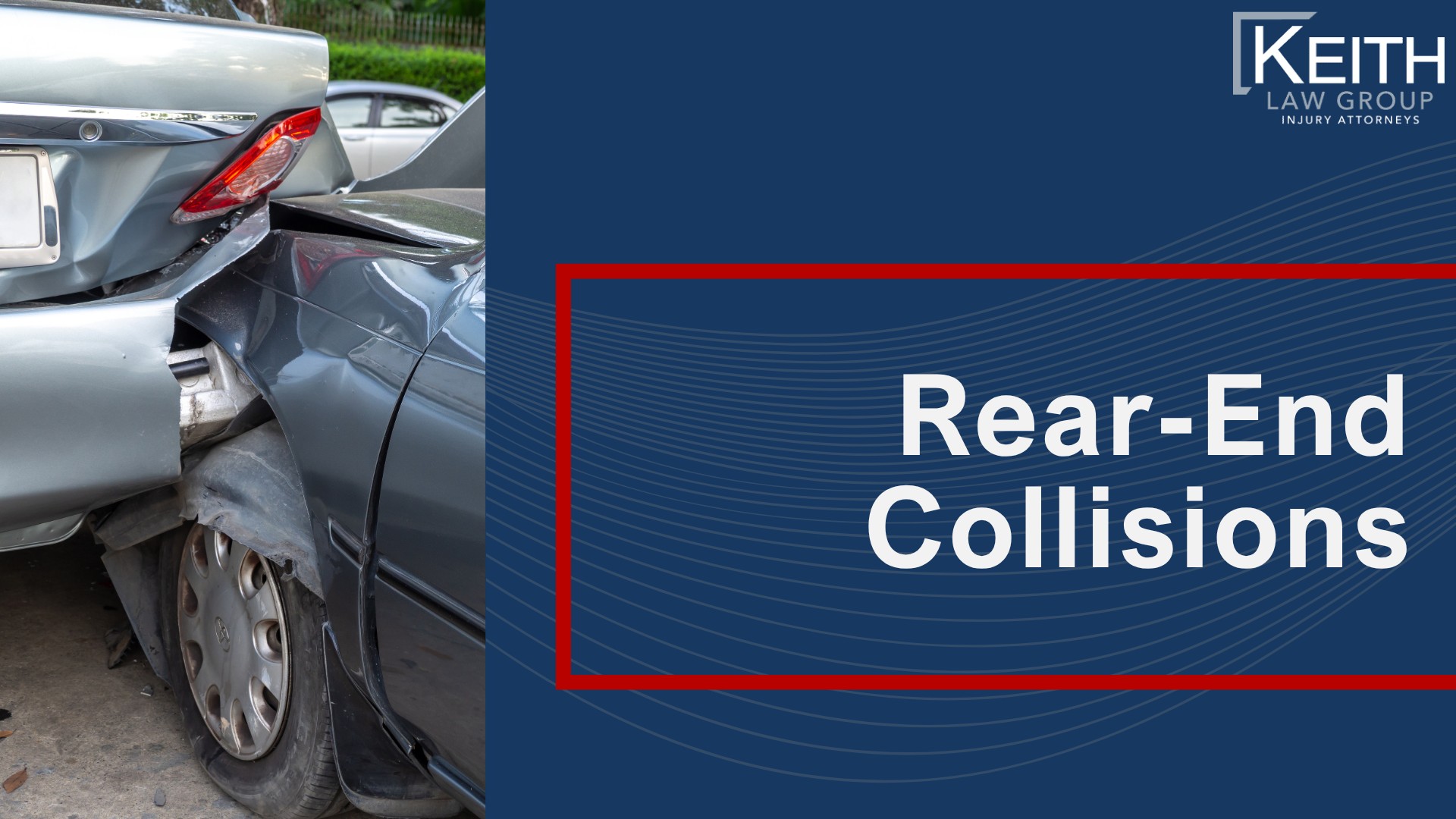
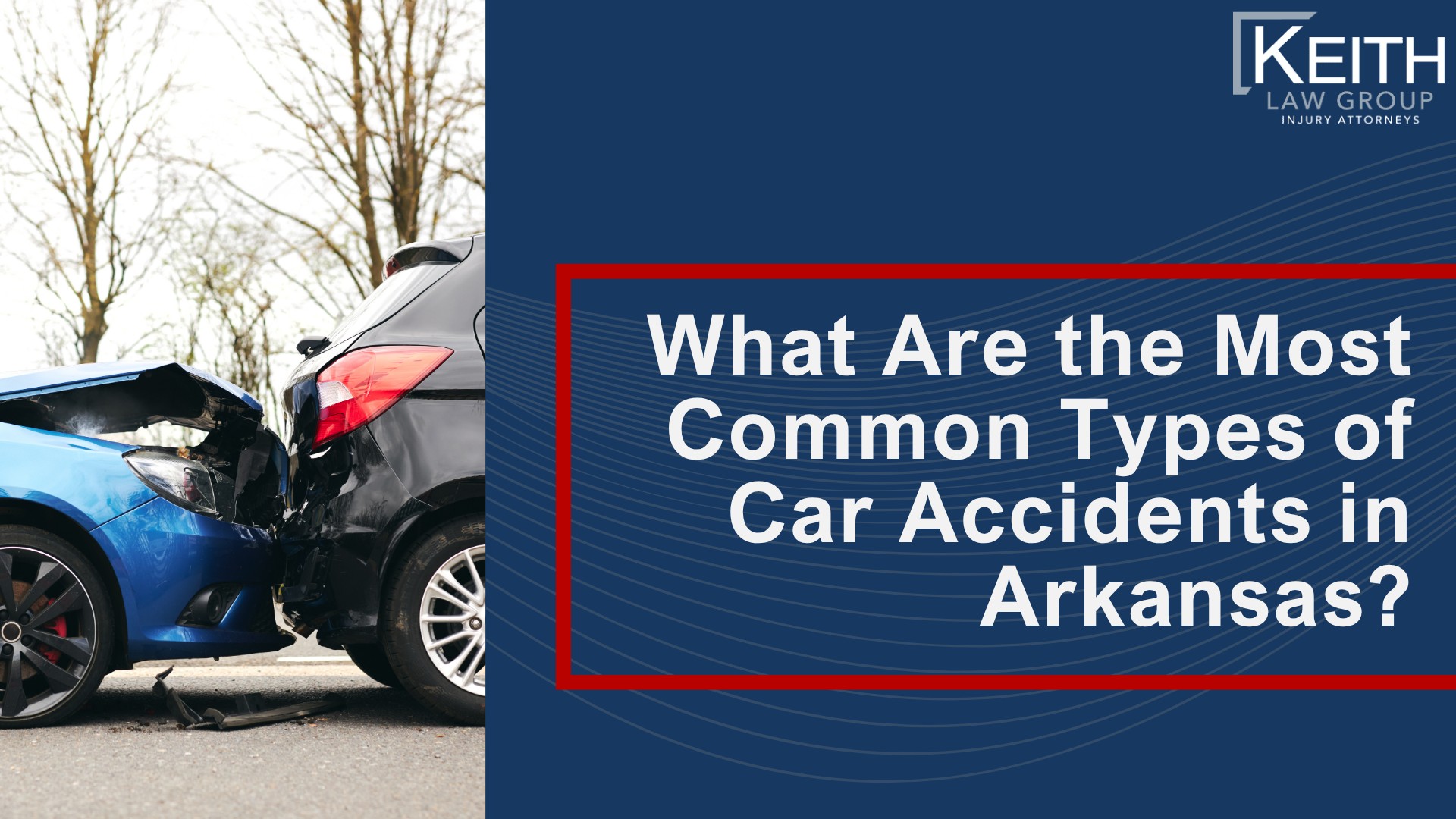
Rear end collisions are one of the most common types of car accidents, often occurring in heavy traffic where sudden stops are frequent.

A rear end collision happens when the front of one vehicle strikes the rear of the vehicle ahead, most often at signal lights, in stop-and-go traffic, and during interstate slowdowns where the trailing driver fails to brake in time.

Common causes of rear-end collisions include distracted driving, following too closely, and sudden stops by the vehicle in front. Drowsy driving and drunk driving are also common factors on long highway stretches, particularly at night, when fatigue, impairment, low visibility, and driver error can reduce reaction time.

Arkansas traffic law places the duty to keep a safe following distance on the trailing driver, so the rear driver is usually the first driver reviewed for liability in rear end collisions.

That liability analysis can change if the lead driver brake-checked, reversed unexpectedly, had non-functioning brake lights, or stopped in an unsafe location at the time of the crash.

Injuries from rear end collisions can range from minor to severe, including whiplash, neck injuries, and spinal cord damage, even at low speeds.

T-Bone Collisions

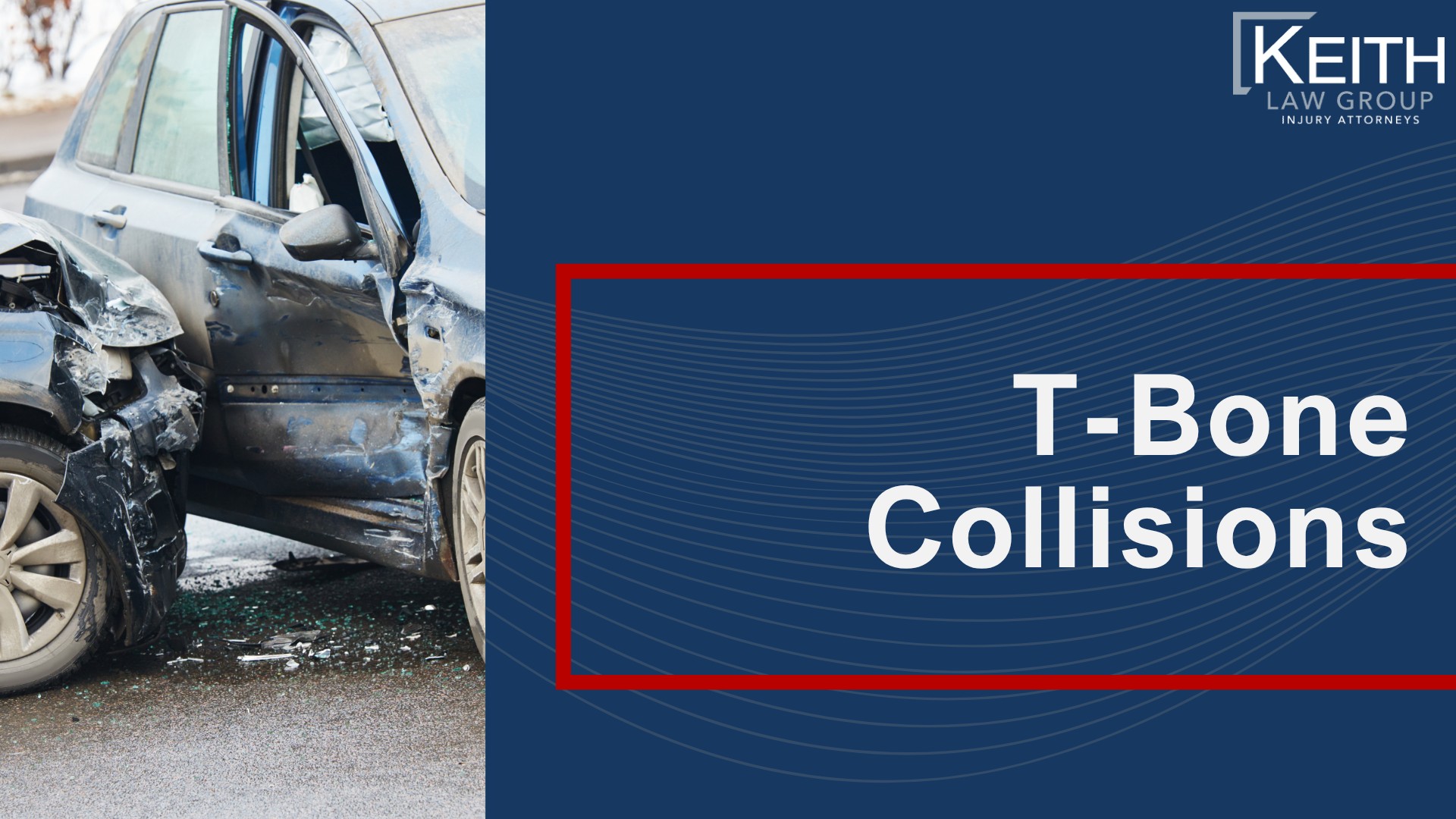
Side impact collisions, also known as T bone accidents, occur when the front of one vehicle crashes into the side of another vehicle, often at intersections.

Most intersection accidents happen this way after one driver runs a red light, fails to yield, or misjudges a left turn across oncoming traffic.

These types of collisions are particularly dangerous because the side of a vehicle offers less protection compared to the front or rear, making occupants more vulnerable to serious injuries, especially when the impact reaches the cabin before the side airbag fully deploys.

Side impact collisions account for approximately 13% of all accidents but are responsible for a significant portion of severe injuries and motor vehicle fatalities due to the vulnerability of the vehicle’s side structure.

Common injuries in side impact collisions include broken bones, head injuries, internal trauma, and traumatic brain injuries.

Fault in side impact collisions usually points to the driver who ran the light, ignored the stop sign, or failed to yield, although signal timing, sight lines, and vehicle speed at impact can affect the analysis.

Head-On Collisions

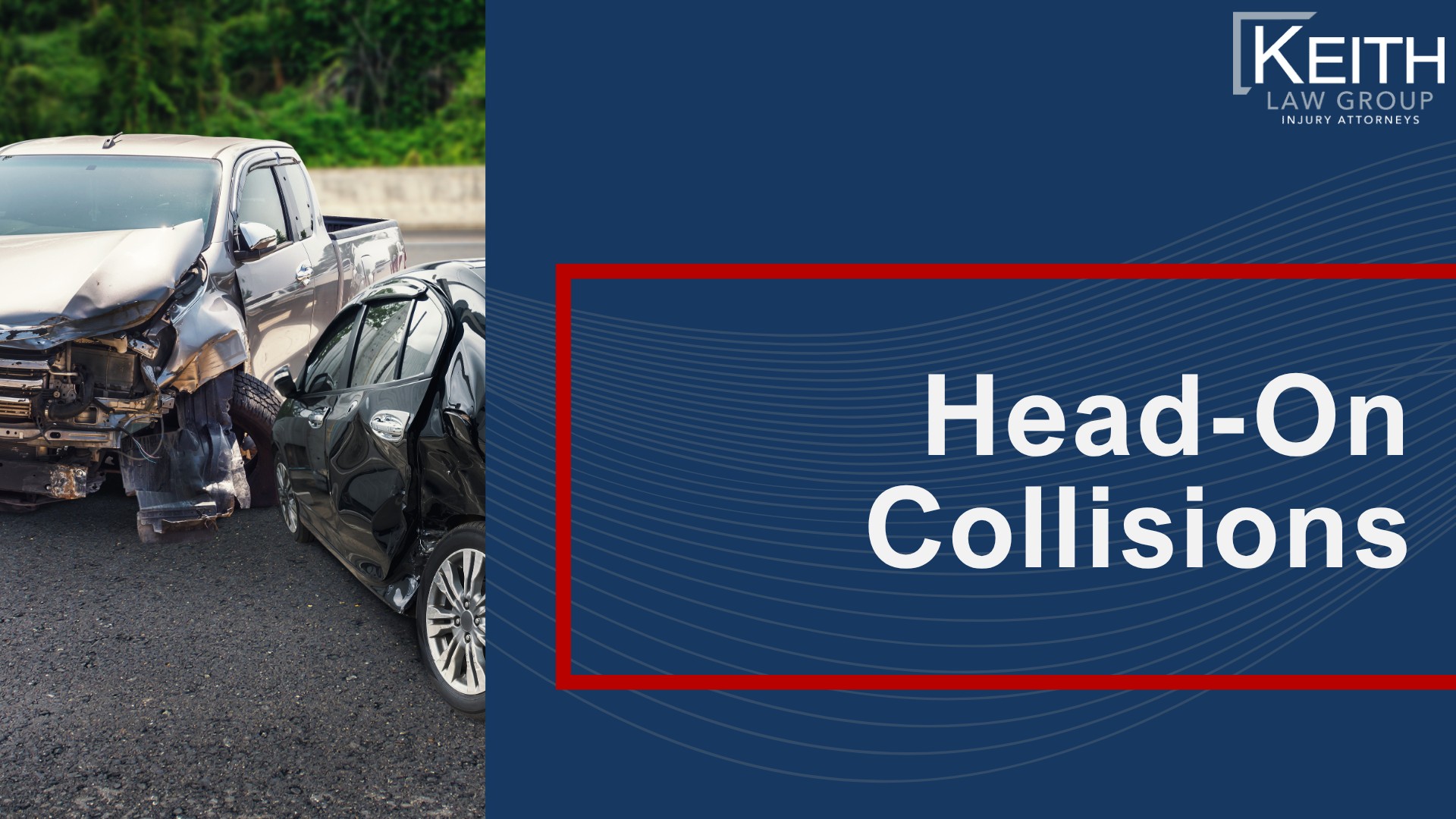
Head on collisions account for about 14% of all motor vehicle fatalities in the United States, making them one of the deadliest types of car accidents.

A head on crash on a high speed two-lane road typically transfers more force into the cabin than any other type of car accident, which is why these crashes account for a disproportionate share of Arkansas roadway fatalities.

Wrong-way entries on Arkansas highways and crossing the centerline on rural two-lane roads are the most frequent triggers of head on crashes. At highway speeds, the impact often results in fatal injuries, particularly when neither driver had time to brake before contact.

Common causes of head on collisions include distracted driving, driving under the influence, driver fatigue, and speeding.

Reckless driving and impaired driving also account for a share of these crashes, especially on county routes where there is no median to separate oncoming traffic.

Injuries from head on collisions often include traumatic brain injuries, spinal cord damage, and internal organ damage due to the violent nature of the impact. Broken bones, spinal cord injuries, and back injuries are also common among vehicle occupants.

Sideswipe Collisions

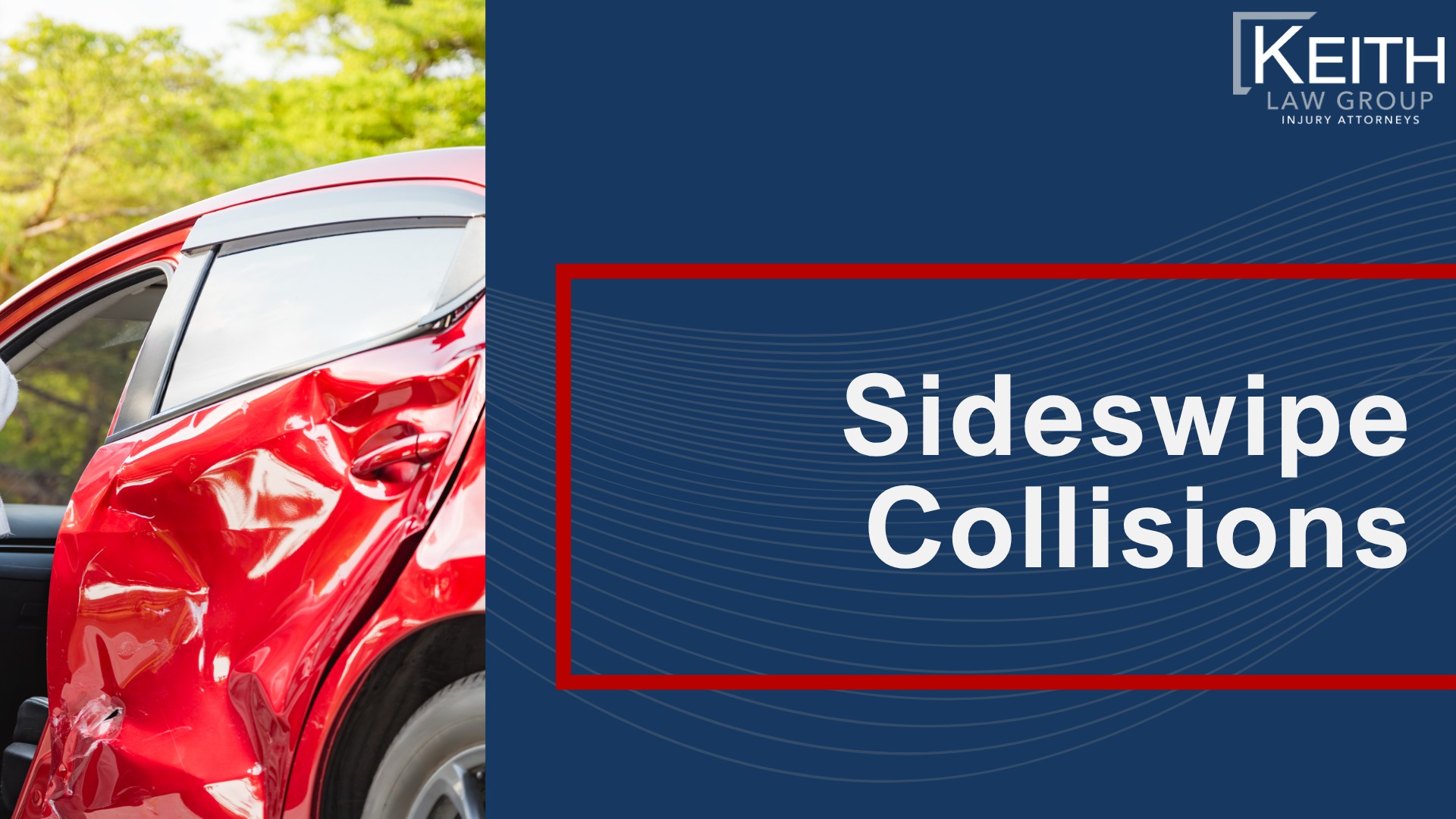
Sideswipe accidents occur when two vehicles traveling parallel to each other make contact, often due to a driver failing to check their blind spots before changing lanes.

These car accidents happen most often on multi-lane interstates, narrow rural roads, and busy urban streets where vehicles traveling in the same direction share tight space.

Sideswipe accidents are often caused by driver inattention, speeding, recklessness, distraction, and impairment, making them a significant risk on the road.

These accidents can lead to serious injuries, especially if there is a secondary impact after the initial collision, with common injuries including whiplash, broken bones, and head injuries.

Liability in sideswipe accidents typically falls on the driver who failed to maintain a single lane, although both drivers may share fault if each vehicle drifted at the same time.

A high speed sideswipe near a guardrail can quickly turn into a multi-vehicle event when the struck car spins into adjacent traffic.

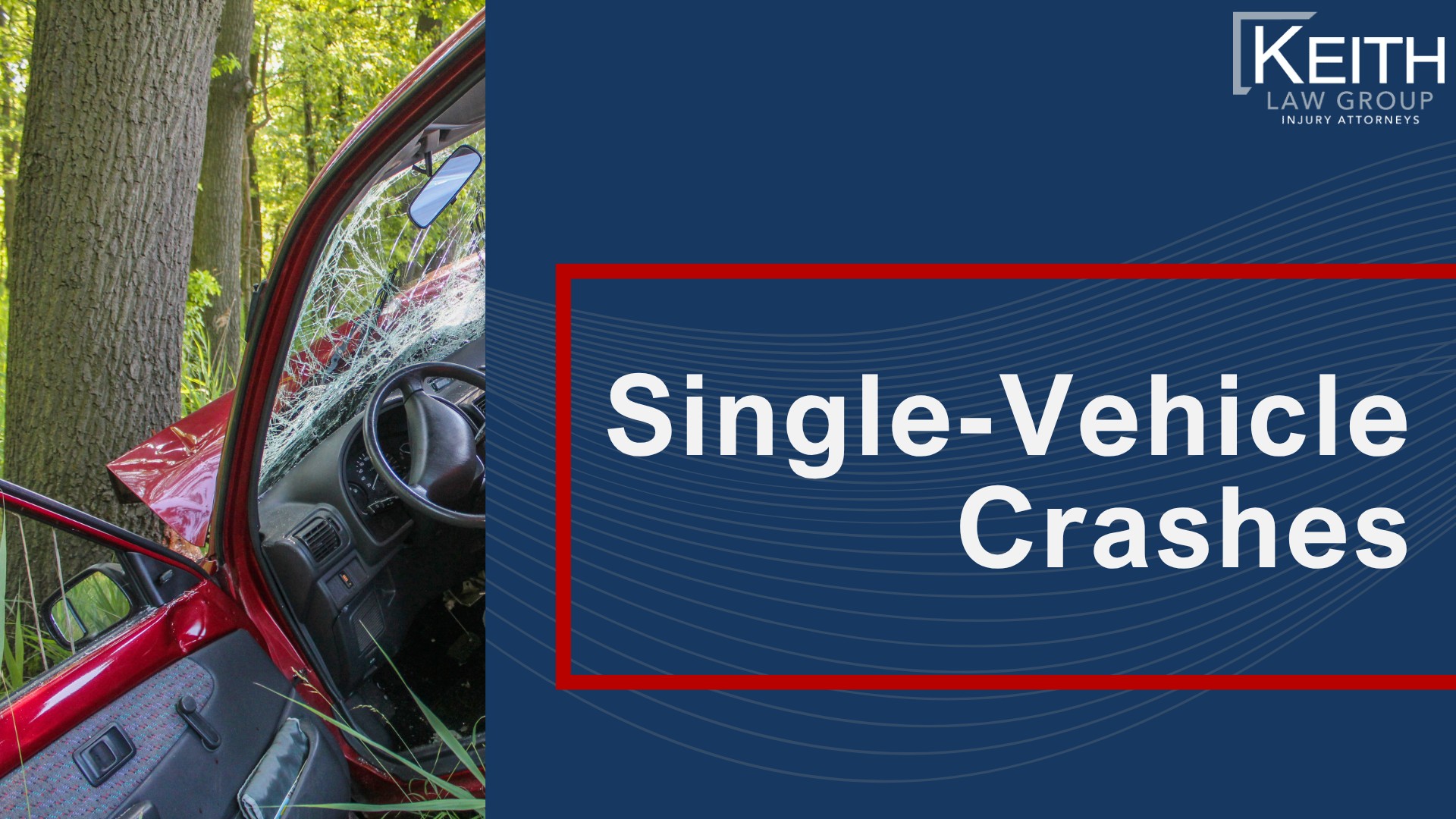
Single-Vehicle Crashes

Single-vehicle accidents occur when a driver loses control and crashes into a fixed object, such as a tree, wall, or pole, and typically involve only one vehicle.

Run-off-road crashes of this type are common on rural highways in Arkansas, where roadside space is limited, lighting is poor, and curves are tight.

Common causes of single vehicle accidents include distracted driving, excessive speed, poor weather conditions, and driver fatigue. Tire blowouts, animal strikes, vehicle malfunctions, and steering overcorrection also contribute to single vehicle crashes.

In some cases, single vehicle accidents may not be entirely the driver’s fault, as they can be caused by external factors such as another driver’s reckless driving or poorly maintained road conditions.

A claim may still be possible against another driver who ran the vehicle off the road, a manufacturer of a defective tire or other vehicle component, or a public entity responsible for unsafe road conditions.

Single vehicle accidents can result in significant injuries, especially when the vehicle strikes a large or heavy object or rolls over. Single vehicle crashes account for a meaningful share of fatal Arkansas car accidents despite involving only one vehicle.

Rollover Crashes

Rollover accidents are particularly dangerous and can occur when a vehicle tips over onto its side or roof, often resulting in serious injuries or fatalities, especially if occupants are not wearing seatbelts.

These crashes can be extremely dangerous because the vehicle may roll multiple times before coming to rest, exposing occupants to repeated impacts inside the cabin.

Common causes of rollover accidents include excessive speed while turning, steering overcorrection, and loss of control on unstable road surfaces.

Vehicles with a higher center of gravity, such as SUVs and trucks, are more susceptible to rollover accidents compared to standard passenger cars. Cargo loaded high in the cabin or on a roof rack can raise that risk further.

Truck accidents involving rollovers are common on Arkansas’s rural curves and interstate on-ramps, where a sharp turn at high speed creates the conditions for a tip-over.

These rollovers can also lead to vehicle fires from spilled fuel or cargo igniting, which can inflict additional injuries or be fatal if the vehicle explodes.

Rollover crashes may require a closer review of tire condition, suspension, roof crush, seatbelt use, cargo placement, and any vehicle malfunctions that contributed to the loss of control.

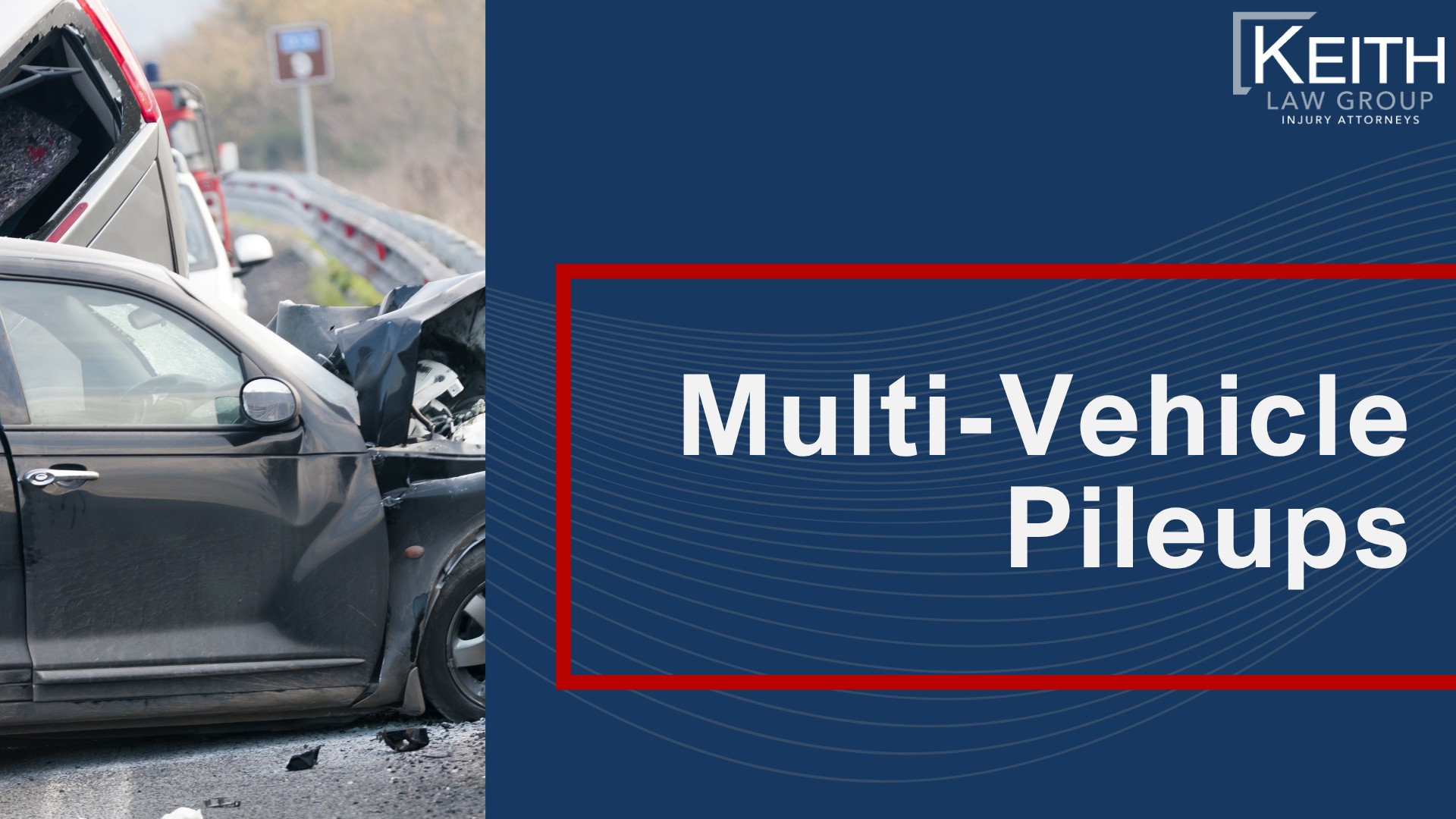
Multi-Vehicle Pileups

Multi vehicle accidents, often referred to as pile-ups, involve three or more vehicles and can result in compounding harm due to the force of multiple collisions.

These car crashes typically happen on high speed interstates where two or more vehicles can chain together quickly when fog or sudden braking removes the reaction time other drivers need.

Chain-reaction crashes are often the result of one initial impact that leads to subsequent impacts as other vehicles are unable to stop in time.

In Arkansas, these crashes most often happen on I-40, I-30, and I-49, and frequently begin with a single rear-end strike that draws every following vehicle into the chain.

Each successive collision in the chain magnifies the impact on the vehicles already involved, and other vehicles approaching the wreck from adjacent lanes may also be drawn in.

Determining fault in multi vehicle accidents can be complex, as multiple drivers may share liability, and insurance companies often attempt to shift blame.

Multiple vehicles may each carry a percentage of fault under Arkansas’s modified comparative fault rule, which is one reason determining fault often requires each driver’s statement, dashcam footage, and the physical damage to each vehicle considered individually.

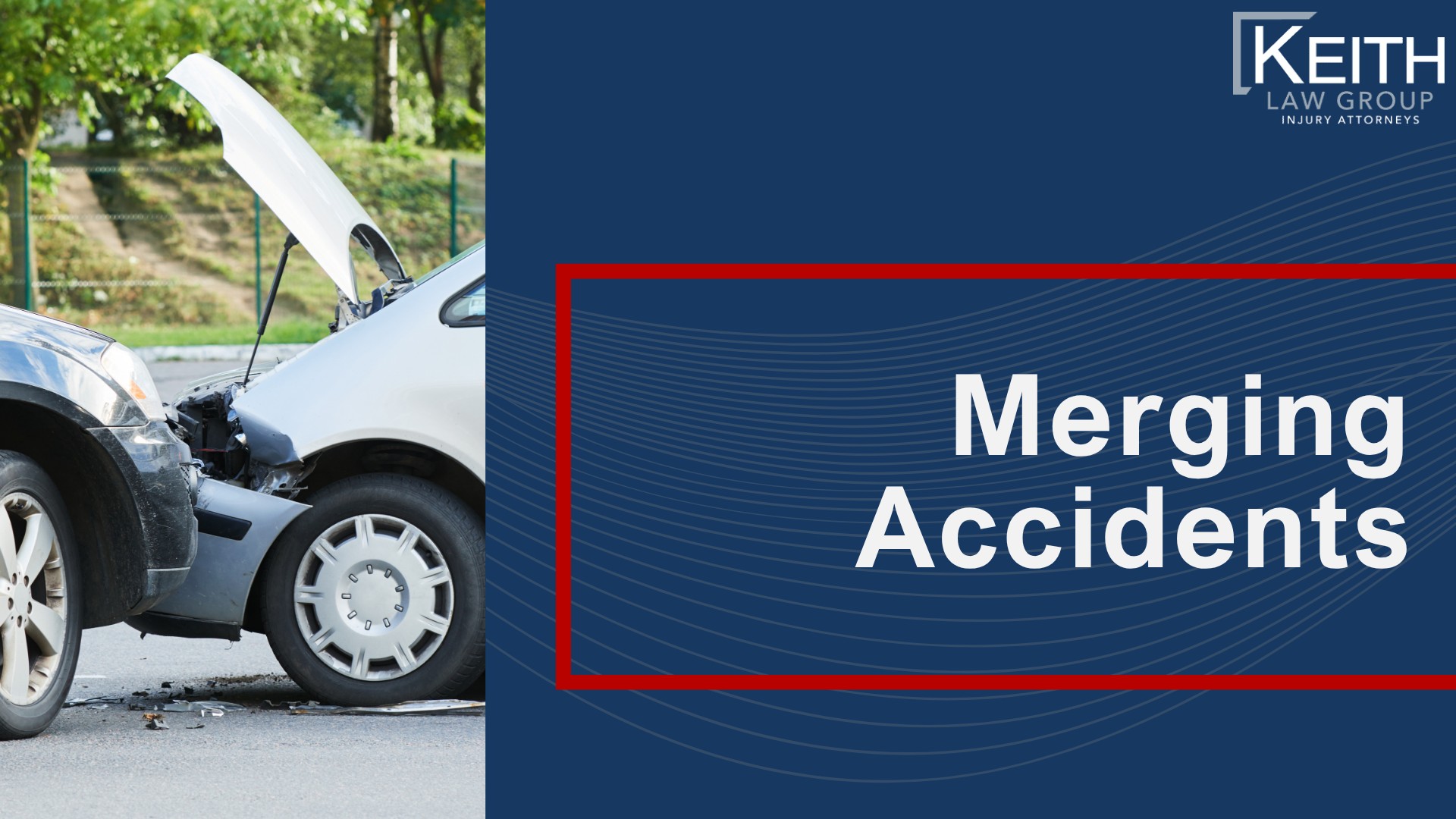
Merging Accidents

Merging accidents often occur when drivers fail to check their blind spots, do not match the speed of other traffic, or drive recklessly while attempting to merge into a lane.

In Arkansas, these crashes happen most often at on-ramps where the merging driver and the highway driver misjudge each other’s speed, or in construction zones where lane reductions force a sudden merge.

Common causes of merging accidents include improper use of signals and failure to control speed, which can lead to severe physical injuries and vehicle damage.

These accidents occur most often during rush hour and holiday traffic, when on-ramps are densely packed and drivers compete for narrow gaps between vehicles.

These crashes tend to happen quickly, increasing the likelihood of severe injury to drivers and passengers involved in the collision.

Fault usually turns on which driver had the right of way and whether the merging driver yielded as required before crossing the lane line.

Other drivers may also contribute to a merging crash if they speed up to block a merge, drift from their lane, or fail to react to traffic slowing ahead.

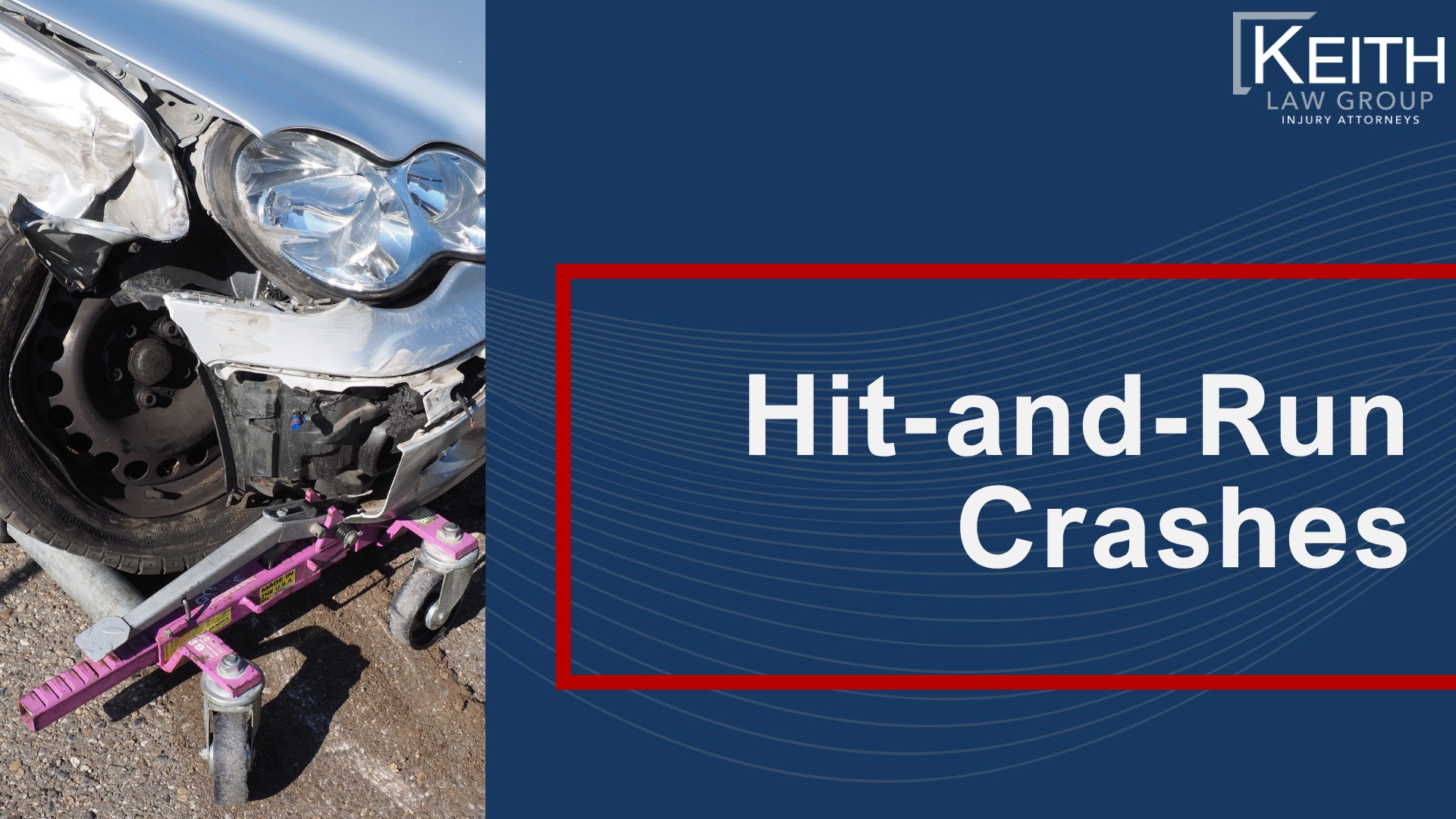
Hit-and-Run Crashes

A hit-and-run crash happens when a driver involved in a collision flees the scene without stopping to exchange information or render aid.

These car accidents often involve drivers who are uninsured, under the influence, or driving on a suspended license.

Under Ark. Code Ann. § 27-53-101, fleeing the scene of an accident involving physical injury is generally a Class D felony in Arkansas.

The offense rises to a Class B felony when the crash causes serious physical injury or death and the driver knowingly or recklessly fails to stop.

In hit and run accidents, recovery often depends on uninsured motorist coverage carried on the injured person’s own auto policy, since the at fault driver cannot be located or sued directly.

Quick scene documentation, including any partial license plate, vehicle description, direction of flight, and witness contact, helps police locate the driver and supports the claim that follows.

Parking Lot Crashes

Parking lot accidents are usually low-speed vehicle collisions but still result in real damage and injury claims.

In such type of crashes, speeds rarely exceed 15 mph, but the impact can still cause whiplash, back strain, or serious injury to a struck pedestrian.

Backing collisions, drivers cutting across lanes, and collisions involving pedestrians are the typical scenarios in parking lot accidents.

Shopping center and apartment complex lots see the highest volume of these crashes, often when drivers focus on finding an open spot rather than other vehicles around them.

Fault in these crashes generally falls on the driver who was moving when the crash occurred, or on the driver who failed to yield to a vehicle already in the lane.

When two vehicles were moving at the time of impact, fault may be shared between the drivers under Arkansas’s modified comparative fault rule.

How the Type of Crash Affects Your Arkansas Car Accident Claim

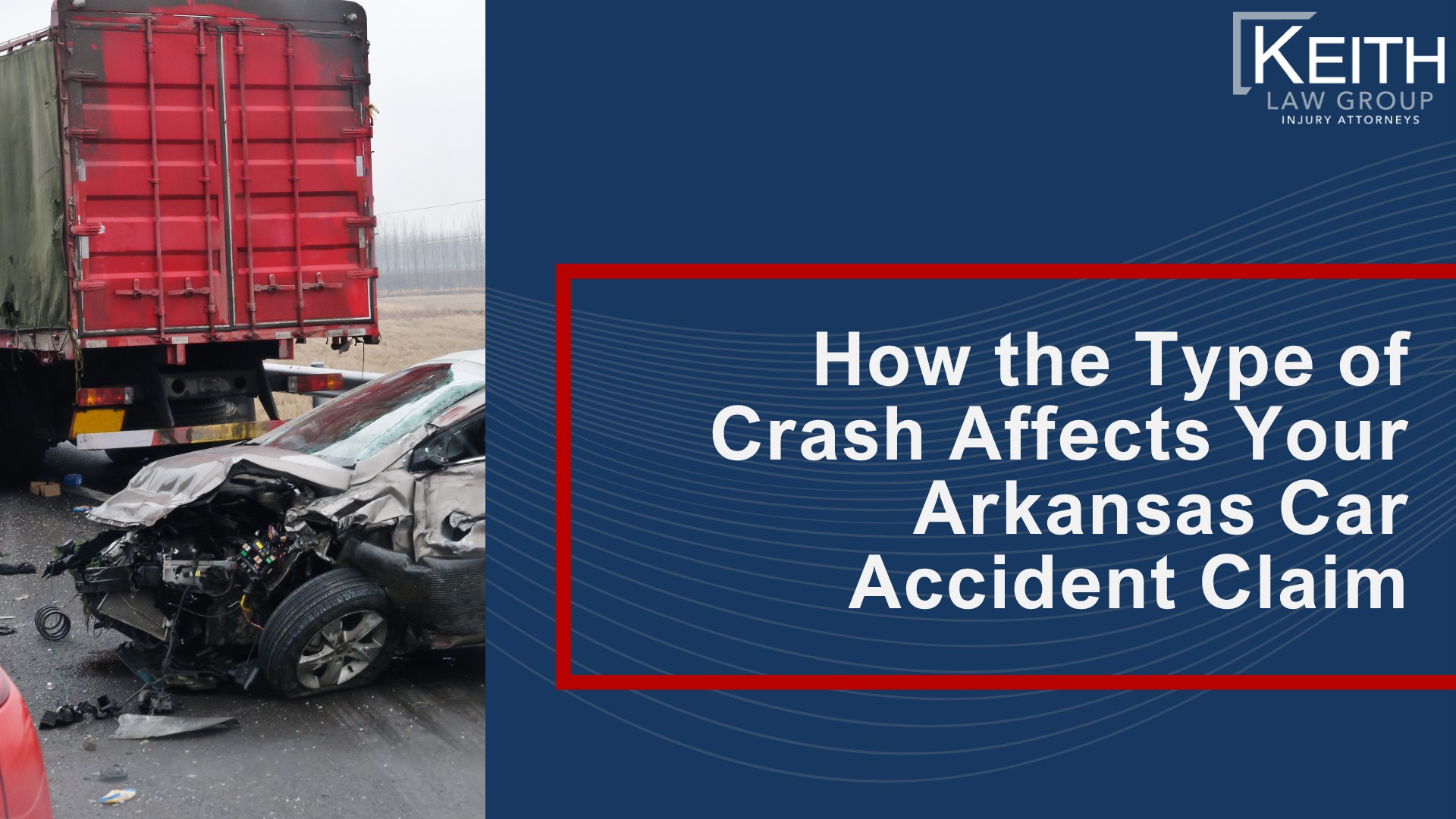
Different car accidents types can affect how fault is determined, what evidence is required, and what recovery may be available under Arkansas law.

Two crashes involving similar injuries can lead to very different car accident claim outcomes once the car accidents types involved are identified, particularly when fault is disputed or multiple drivers may share responsibility.

Fault Often Depends on the Type of Crash

In rear end collisions, the rear driver is usually the first driver evaluated because Arkansas traffic law requires a safe following distance based on speed, traffic, and roadway conditions.

T-bone crashes shift the inquiry to the intersection itself, where fault usually lies with the driver who ran the light, ignored the stop sign, or failed to yield the right of way.

In head on crashes, fault typically points to the driver who crossed the centerline or entered a one-way road in the wrong direction.

Sideswipe accidents and merging accidents often turn on lane position, signal use, and which driver had the right of way at the moment of contact.

Different Crashes Need Different Evidence

Sideswipe accidents and merging accidents often come down to lane position, mirror checks, and turn signals, which is why dashcam footage and traffic camera video frequently decide them.

Rollover crashes usually require a closer review of the vehicle itself, including tire condition, suspension, and any vehicle malfunctions that contributed to the loss of control.

Multi-vehicle crashes need a statement from each driver involved, since every driver may carry a percentage of fault under Arkansas comparative fault rules. Determining fault in these chain crashes often turns on which vehicle struck the next, and when.

Hit-and-run cases depend heavily on early scene documentation and on uninsured motorist coverage in the injured person’s own auto policy.

Injuries Tend to Match the Force of Impact

Rear end collisions most commonly leave drivers with whiplash, neck injuries, and back injuries, even when the visible vehicle damage looks minor.

T-bone crashes and head on collisions transfer far more force into the cabin and tend to cause broken bones, traumatic brain injuries, and spinal cord injuries.

Rollovers carry the highest risk of fatal outcomes, particularly for occupants who were not wearing seatbelts at the time of the crash.

The Crash Type Affects Case Value

Severe injuries from head on or rollover crashes typically support larger damages because of higher medical costs, longer recovery, and a greater impact on earning capacity.

A minor rear end collision with a soft-tissue injury usually settles for far less than a head on crash that left the injured person with traumatic brain injuries or permanent disability.

Arkansas applies modified comparative fault under Ark. Code Ann. § 16-64-122, which means an injured driver can recover only if assigned less than 50 percent of the fault, and any recovery is reduced by the percentage of fault assigned.

The crash type directly shapes that percentage, which is one reason it often controls how much an injured person can recover under Arkansas law.
Hire an Experienced Arkansas Car Accident Lawyer at Keith Law Group

Understanding the type of car accident is often the first step in understanding the claim.

Rear end collisions, T-bone crashes, head on collisions, sideswipe accidents, rollovers, single vehicle crashes, multi-vehicle crashes, merging accidents, hit-and-run crashes, and parking lot accidents each raise different questions about fault and evidence.

The crash type can affect how the police report is reviewed, what vehicle damage matters, which witnesses may be important, and how the insurance company evaluates the injuries.

It can also affect whether Arkansas comparative fault rules reduce or limit recovery.

An experienced car accident attorney can review the specific type of crash, identify the evidence needed to prove fault, respond to insurer blame arguments, and evaluate the compensation that may be available under Arkansas law.

If you were injured in an Arkansas car accident and have questions about how the type of crash may affect your personal injury claim, contact Keith Law Group today for a free consultation.

Contact Keith Law Group for a free consultation with an Arkansas car accident lawyer, or use the chat feature on this page to see whether you may qualify for a personal injury claim.

Frequently Asked Questions

Published by:
Share

This article has been written and reviewed for legal accuracy and clarity by the team of writers and attorneys at Keith Law Group and is as accurate as possible. This content should not be taken as legal advice from an attorney. If you would like to learn more about our owner and experienced injury lawyer, Sean T. Keith, you can do so here.

Keith Law Group does everything possible to make sure the information in this article is up to date and accurate. If you need specific legal advice about your case, contact us. This article should not be taken as advice from an attorney.

Other Car Accident Lawsuit Resources
All
FAQs
Injuries & Conditions
Legal Help
Other Resources
Settlements & Compensation
You can learn more about other Car Accident Lawsuit resources below:
15 Common Car Accident Causes in Arkansas & Prevention Tips
Arkansas Auto Accidents: How to File a Car Insurance Claim
Arkansas Car Accident Compensation Types & Laws to Know
Arkansas Car Accident Injury Claim Process
Arkansas Car Accident Lawsuit Guide: Tips for Success
Arkansas DUI Accident Lawsuits: Laws, Damages, & Safety Tips
Arkansas Hit and Run Accident Guide: Laws & Tips to Know
Average Arkansas Car Accident Settlements & Tips to Maximize Yours
Car Accident Damages in Arkansas: Potential Compensation
Car Accident Reporting in Arkansas
Car Accident Statute of Limitations Arkansas
Finding the Best Car Accident Attorney in Arkansas for Your Case
Hit and Run Car Accident Lawsuits in Arkansas
How Is Fault Determined in Arkansas Auto Wrecks?
How Much Can Someone Sue for a Car Accident in Arkansas
How Much Does a Car Accident Lawyer Cost to Hire in Arkansas?
How to File a Police Report After a Car Accident in Arkansas
How to File an Auto Accident Lawsuit in Arkansas
How to Get a Police Report After a Car Accident in Arkansas
Should I Get a Lawyer for a Car Accident?
Statute of Limitations: Car Accident Claims in Arkansas
Steps to Take After a Car Accident in Arkansas
T-Bone Car Accident Lawsuits in Arkansas: Things to Know
Types of Evidence in Arkansas Car Accident Cases
Understanding Car Accident Insurance Claims in Arkansas
Understanding the Arkansas Car Accident Settlement Process
Who Pays for My Medical Bills After a Car Accident in Arkansas

Other Car Accident Lawsuit Resources

All
FAQs
Legal Help
Other Resources
Settlements & Compensation