52 Reviews
5.0
★★★★★

Little Rock Traumatic Brain Injury Lawyer

Have You or a Loved One Suffered a Serious Brain Injury in a Negligent Accident?

A Little Rock Traumatic Brain Injury Lawyer from Keith Law Group helps brain injury victims and their families seek compensation for medical expenses, long-term effects, lost wages, and more.

A traumatic brain injury lawsuit can help a victim and their family secure financial compensation for the harm suffered.

If you or a loved one need help from an experienced TBI attorney, reach out to Keith Law Group today for a free consultation.

Little Rock Traumatic Brain Injury Lawyer

Our Law Firm Handles Traumatic Brain Injury Cases for Victims and Families

If you’re dealing with a traumatic brain injury, you may feel unsure about what is happening to you or how serious it is.

Many people notice changes that are difficult to explain, such as problems with focus, shifts in mood, or trouble keeping up at work or daily responsibilities.

In some cases, symptoms appear immediately after a head injury.

In others, they develop slowly, which can make it harder to connect them to the accident itself.

That uncertainty is common with brain injuries and often leaves people searching for clear answers.

When a brain injury is caused by someone else’s negligence, Arkansas law allows you to seek compensation for medical care, lost income, and the long-term effects on your life.

With an understanding of the injury and the services of an experienced traumatic brain injury attorney, you can.

Contact us for a free consultation with an experienced personal injury lawyer from our brain injury law team.

You can also use the chat feature on this page to find out instantly if you’re eligible for a traumatic brain injury claim.

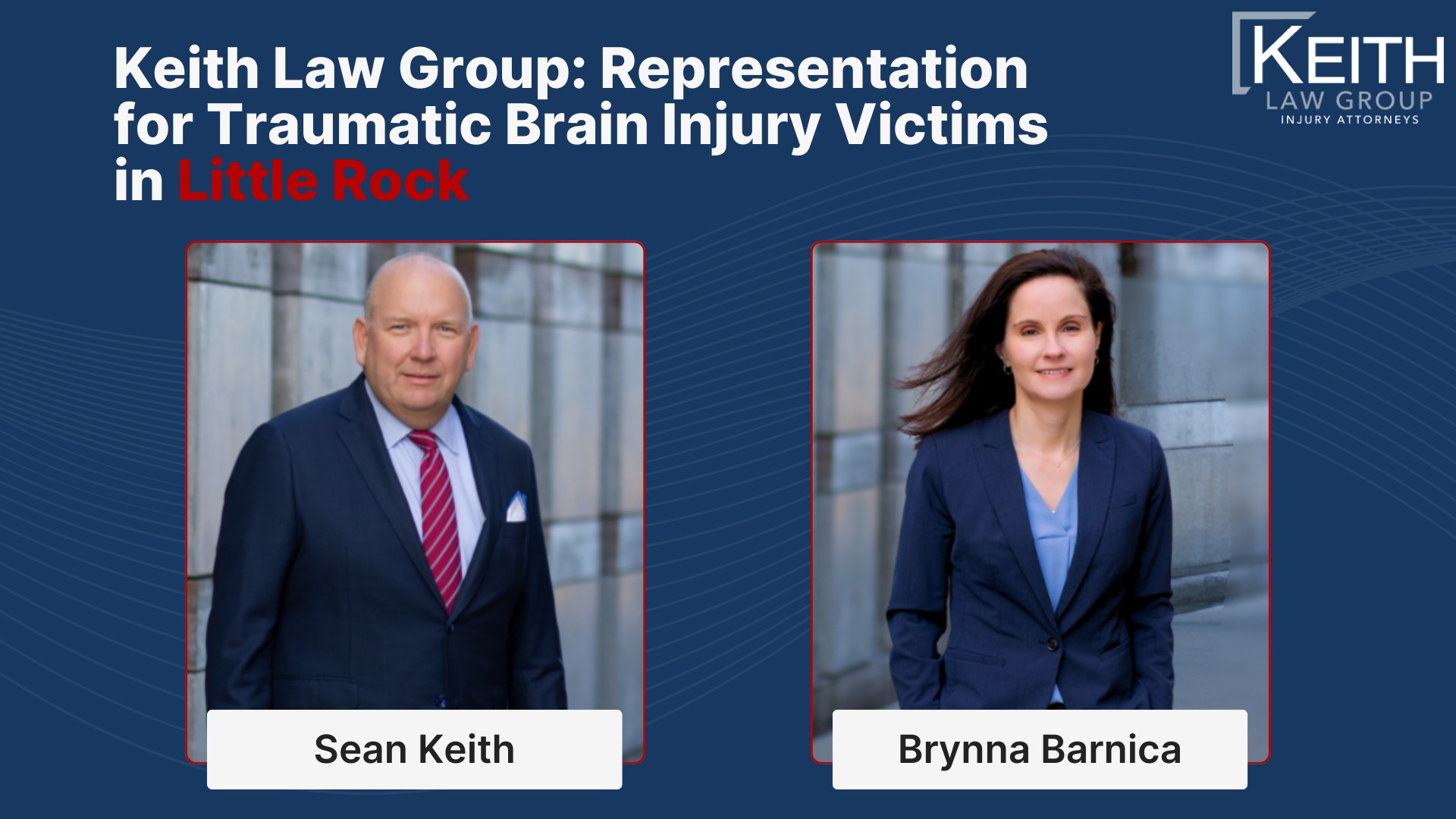
Keith Law Group: Representation for Traumatic Brain Injury Victims in Little Rock

Traumatic brain injury cases demand careful legal work and a clear understanding of how these injuries affect real people over time.

Our role is to investigate thoroughly, work with medical professionals, and protect clients from insurance tactics that undervalue serious brain injuries.
Experience With Serious and Catastrophic Brain Injuries

Our personal injury law firm represents individuals and families in Little Rock and throughout Arkansas who are dealing with serious and catastrophic injuries.

We have experience handling traumatic brain injury cases involving car accidents, falls, workplace incidents, and other events where head trauma occurs.

We understand that brain injuries do not follow a predictable path.

Symptoms may evolve, worsen, or interfere with daily life in ways that are not obvious at first.

Our work reflects that reality.

Investigating Traumatic Brain Injury Claims

We begin every personal injury case involving a brain injury by examining how the injury occurred and who may be legally responsible.

This includes reviewing accident reports, witness statements, and physical evidence.

When needed, we rely on accident reconstruction to explain how the forces involved caused damage to the brain.

Our focus is on building a clear connection between the incident and the injury, even when symptoms develop over time.

Working With Medical Specialists and Evidence

Medical evidence is central to traumatic brain injury cases.

We work with neurologists and other medical professionals to understand the nature of brain trauma and its impact on cognition, behavior, and physical functioning.

Medical records and diagnostic imaging help explain the injury in clear terms.

We also document future medical needs, rehabilitation, and long-term limitations.

Protecting Clients During Insurance Negotiations

Insurance companies often challenge the seriousness of brain injuries, particularly when symptoms are not immediately visible.

We handle all communication and negotiations to protect your claim and prevent pressure to settle too early.

Our goal is to pursue fair compensation while you focus on medical care and recovery.
What Is a Traumatic Brain Injury (TBI)?

A traumatic brain injury happens when an external force disrupts normal brain function.

This serious injury can occur when the head strikes an object, when the body is violently jolted, or when something penetrates the skull.

The injury affects brain tissue itself, not just the scalp or skull, and can interfere with how the brain processes information, controls movement, and regulates emotion.

Traumatic brain injuries are different from many other injuries because damage may not be immediately visible.

Brain tissue can be bruised, torn, or deprived of oxygen even when imaging looks normal at first.

How Brain Tissue Is Damaged in TBI Cases

Brain injuries often result from rapid acceleration or deceleration, blunt force trauma, or rotational forces that cause the brain to move within the skull.

This movement can stretch or tear nerve fibers, a process known as axonal injury.

In more severe cases, bleeding, swelling, or widespread brain damage may occur.

These forces explain why brain injuries can happen in car accidents, falls, sports injuries, and assaults, even without a direct blow to the head.

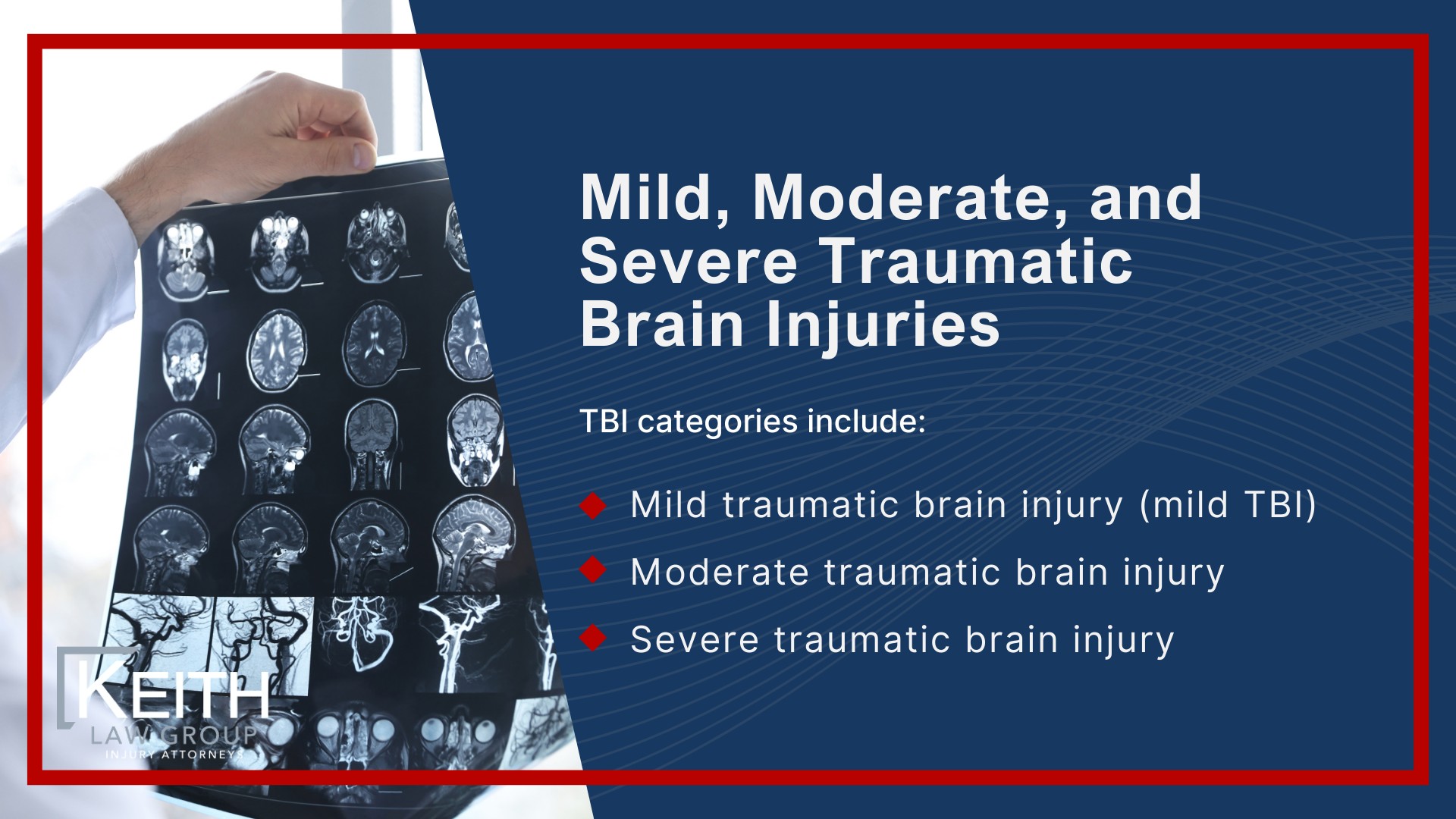
Mild, Moderate, and Severe Traumatic Brain Injuries

Traumatic brain injuries are classified based on severity, symptoms, and clinical findings.

The three TBI categories guide treatment but do not always predict recovery.

Even a mild traumatic brain injury can cause lasting problems, while severe injuries often result in permanent brain damage.

TBI categories include:

  • Mild traumatic brain injury (mild TBI): Often referred to as a concussion, a mild TBI may involve confusion, headache, dizziness, memory issues, or difficulty concentrating. Loss of consciousness may be brief or absent. Symptoms can persist and interfere with work, daily activities, and emotional regulation.
  • Moderate traumatic brain injury: Moderate TBIs typically involve longer periods of confusion or loss of consciousness and clearer evidence on imaging. Ongoing problems with memory, speech, coordination, or behavior are common, and extended medical treatment is often required.
  • Severe traumatic brain injury: Severe TBIs may involve prolonged unconsciousness, widespread brain damage, or conditions such as diffuse axonal injury, penetrating brain injury, skull fracture, or anoxic brain injury. These injuries frequently cause permanent disability and require long-term medical care.

Common Causes of Traumatic Brain Injuries

Traumatic brain injuries occur when an external force disrupts normal brain function.

These injuries are most often linked to sudden impacts, rapid movement of the head or body, or penetrating trauma.

Understanding how brain injuries commonly occur helps explain why liability matters and why certain cases require careful investigation.

Motor Vehicle Accidents

Car accidents are a leading cause of traumatic brain injury.

Sudden acceleration, abrupt stops, rollovers, and side-impact collisions can cause the brain to move violently within the skull.

Even without direct head contact, these forces can damage brain tissue and lead to serious brain injury.

Car collisions aren’t the only type of road accident that leads to TBI cases.

Traumatic brain injuries happen in crashes involving the following vehicles:

Falls and Slip and Fall Accidents

Falls are a frequent cause of brain injuries, especially among elderly individuals and young children.

Slip and fall accidents can involve blunt force trauma or rotational forces that injure the brain.

When unsafe property conditions are involved, these injuries may support a personal injury claim.

Workplace and Industrial Accidents

Workplace incidents such as falls from height, being struck by equipment, or machinery accidents can cause severe brain injuries.

Construction and industrial settings often involve high-energy forces, increasing the risk of permanent brain damage.

Sports and Recreational Injuries

Sports injuries frequently result in mild traumatic brain injury, including concussions.

Repeated head impacts, even without a single major blow, can lead to cumulative brain damage and long-term neurological problems.

Assaults and Violent Acts

Violent assaults can cause traumatic brain injuries through direct blows or penetrating brain injury.

These cases often involve severe brain damage and require careful documentation of both the injury and its long-term effects.

Traumatic Brain Injury Symptoms

Traumatic brain injuries can affect many areas of physical, cognitive, and emotional functioning.

Symptoms do not always appear at once, and their severity can change over time.

Because symptoms affect people differently, you need to seek immediate medical attention.

Once you do, your physician will be able to determine whether you have any of the following symptoms — and seeing the symptoms is the first step to effective medical treatment.

Immediate and Short-Term Symptoms

After a head injury, symptoms can appear shortly after.

Symptoms that appear after include:

  • Headache or head pressure
  • Dizziness or balance problems
  • Nausea or vomiting
  • Sensitivity to light or sound
  • Confusion or disorientation
  • Short-term memory problems
  • Loss of consciousness

Cognitive, Emotional, and Behavioral Changes

As the injury evolves, individuals may experience changes that interfere with daily life.

Changes include:

  • Difficulty concentrating or processing information
  • Memory impairment or slowed thinking
  • Poor judgment or decision-making
  • Mood swings, irritability, anxiety, or depression
  • Changes in personality or behavior

These effects can disrupt work, relationships, and a person’s ability to function independently.

Long-Term and Permanent Complications

More serious or poorly resolved brain injuries may lead to lasting consequences.

Consequences include:

  • Chronic pain or persistent headaches
  • Neurological disorders or seizures
  • Permanent disability or reduced independence
  • Ongoing need for medical care or rehabilitation
  • Lasting impact on quality of life

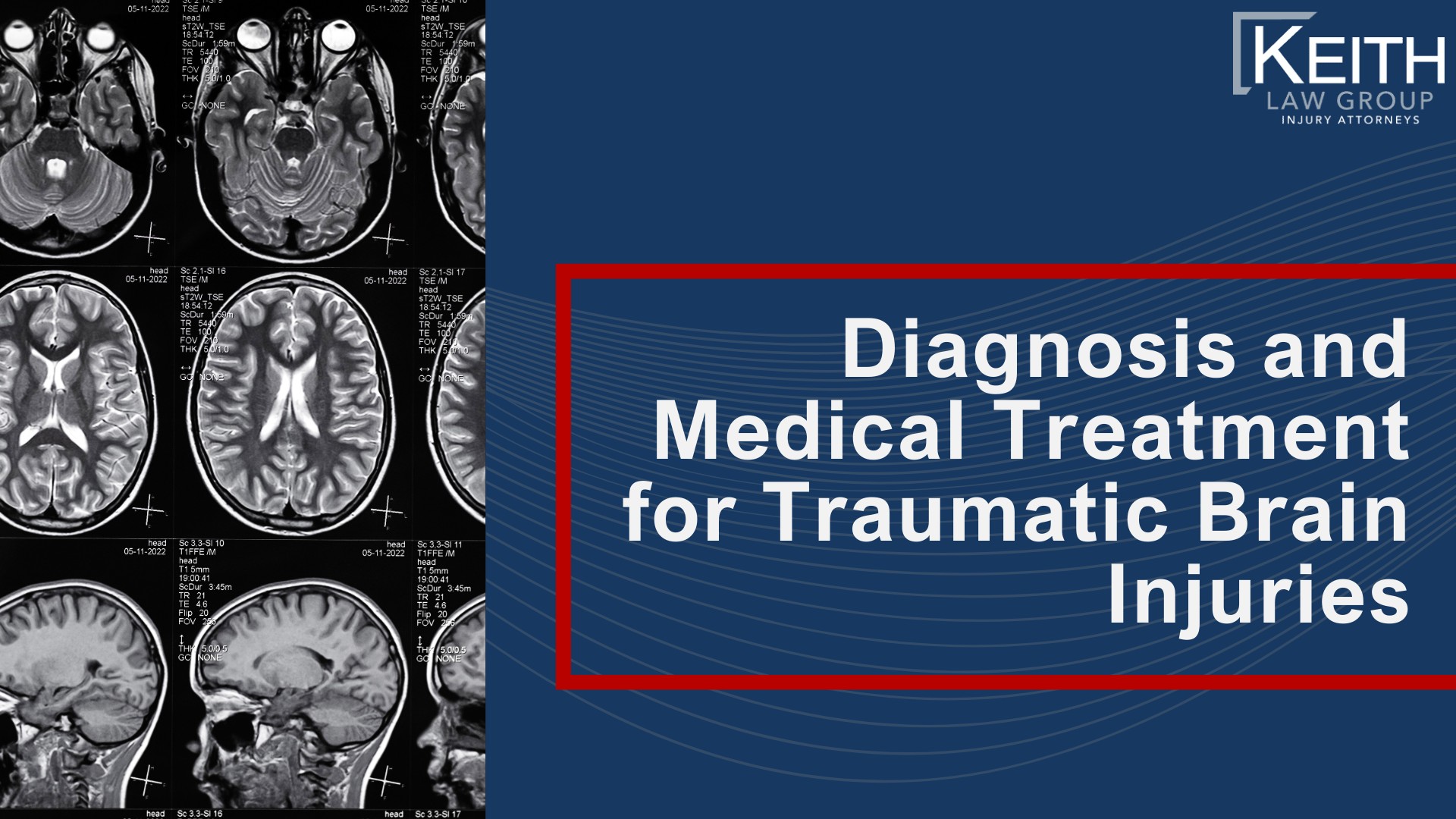
Diagnosis and Medical Treatment for Traumatic Brain Injuries

Diagnosing a traumatic brain injury is not always straightforward.

Some injuries are visible on imaging right away.

Others require ongoing evaluation as symptoms develop or worsen over time.

Early and accurate diagnosis plays a critical role in both medical outcomes and the strength of a brain injury claim.

The Importance of Immediate Medical Attention

After a head injury, seeking medical attention as soon as possible helps protect your health and creates an early medical record.

Prompt care may include:

  • Emergency evaluation following a car accident, fall, or other traumatic event
  • Neurological screening to assess consciousness, memory, and motor function
  • Monitoring for delayed symptoms that may not appear right away

Delaying care can allow symptoms to worsen and may complicate later diagnosis.

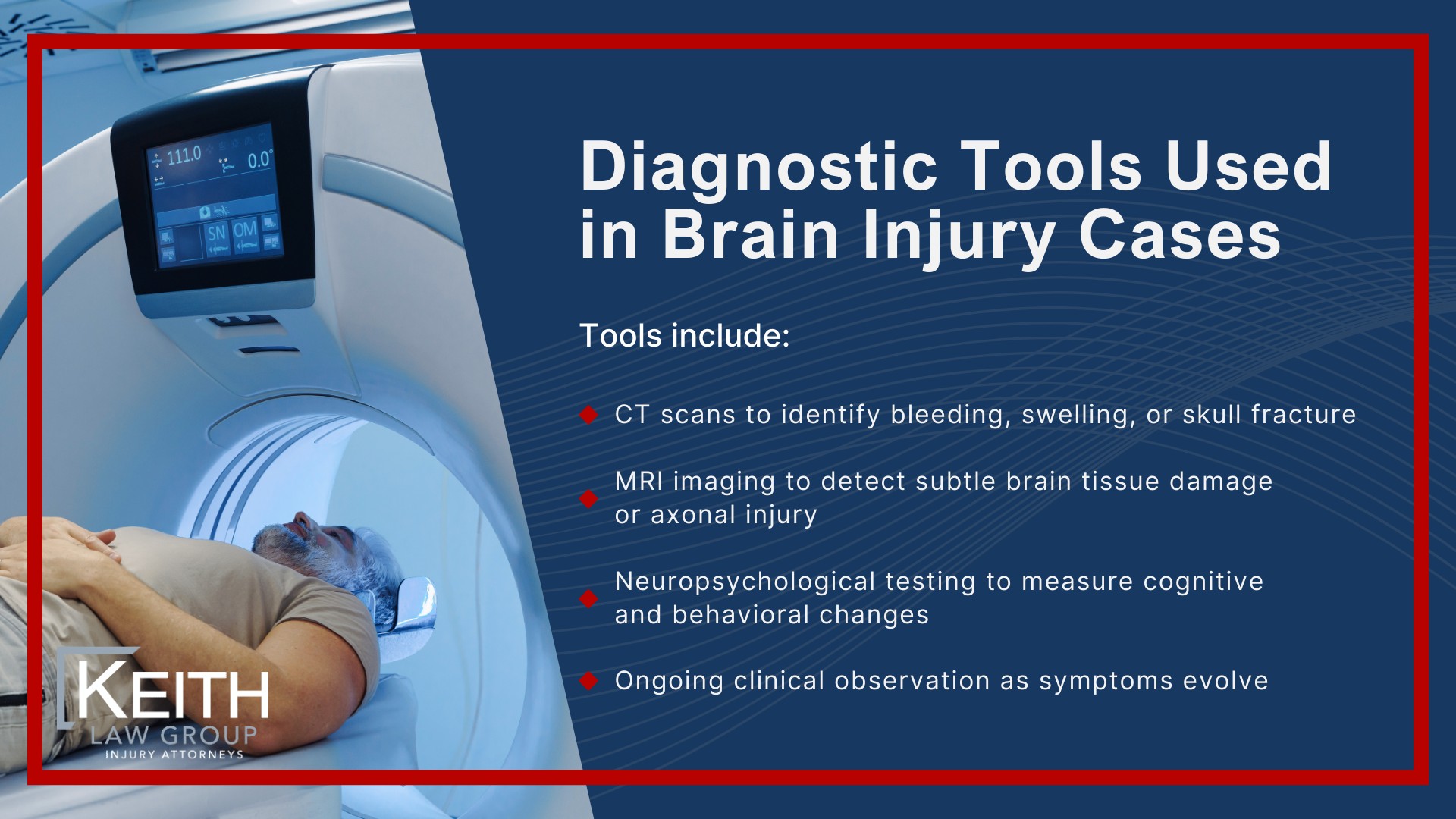
Diagnostic Tools Used in Brain Injury Cases

Medical professionals rely on several tools to evaluate brain trauma.

Tools include:

  • CT scans to identify bleeding, swelling, or skull fracture
  • MRI imaging to detect subtle brain tissue damage or axonal injury
  • Neuropsychological testing to measure cognitive and behavioral changes
  • Ongoing clinical observation as symptoms evolve

These findings often become key evidence in traumatic brain injury cases.

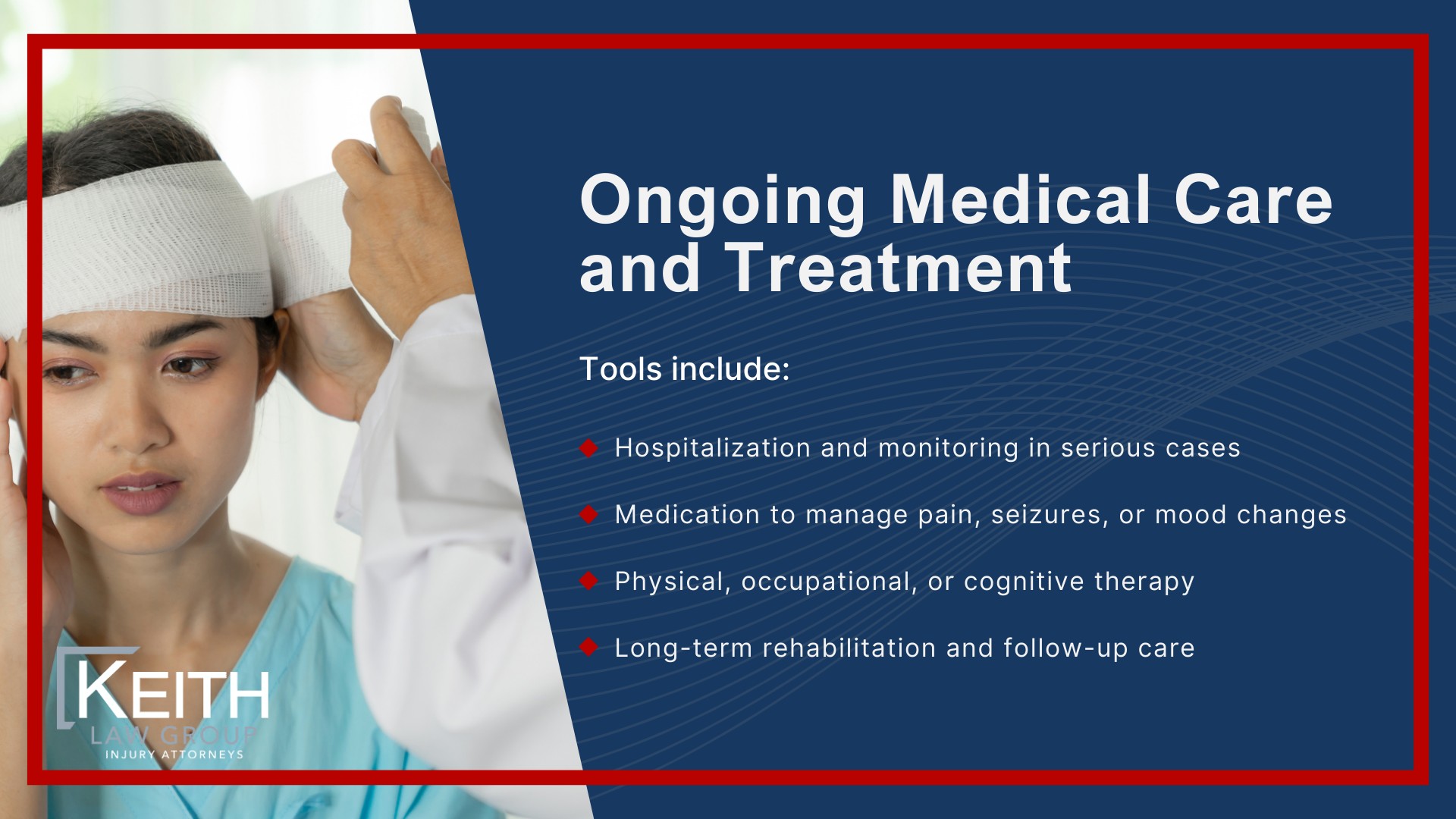
Ongoing Medical Care and Treatment

Treatment for a traumatic brain injury depends on severity and symptoms.

Medical care may involve:

  • Hospitalization and monitoring in serious cases
  • Medication to manage pain, seizures, or mood changes
  • Physical, occupational, or cognitive therapy
  • Long-term rehabilitation and follow-up care

Many brain injury victims require extended treatment to address lasting effects and maintain daily functioning.

How Arkansas Personal Injury Law Applies to Traumatic Brain Injury Claims

Traumatic brain injury claims are handled under Arkansas personal injury law, but they often present challenges that do not arise in other injury cases.

Symptoms may not appear right away, medical findings can evolve, and the effects of a brain injury are not always easy to measure.

These claims require careful documentation and a clear connection between the incident and the injury.

What You Need To Prove in a Traumatic Brain Injury Case

Under Arkansas law, a traumatic brain injury claim must show that the injury was caused by someone else’s negligence.

In practical terms, this means establishing that another party failed to act with reasonable care and that this failure directly led to the brain injury.

In traumatic brain injury cases, this connection is often disputed.

Insurance companies frequently argue that symptoms are unrelated, preexisting, or less severe than claimed, especially when problems develop over time.

Establishing Liability

Liability depends on how and where the injury occurred.

Traumatic brain injuries commonly arise from car accidents, slip and fall accidents, unsafe work environments, or medical malpractice.

Each situation requires examining what happened, whether safety rules were violated, and who had responsibility at the time of the incident.

Identifying all responsible parties early helps protect the claim and prevents important evidence from being lost.

Evidence That Supports a Brain Injury Claim

Traumatic brain injury cases depend on clear, well-documented evidence.

Because brain injuries are not always visible and symptoms may change over time, the strength of a claim often comes down to how well the injury and its effects are supported.

Key evidence in a brain injury claim may include:

  • Medical records
  • Diagnostic imaging
  • Medical professional opinions
  • Neuropsychological testing
  • Accident reports and physical evidence
  • Expert accident analysis

How Compensation Is Determined in Traumatic Brain Injury Cases

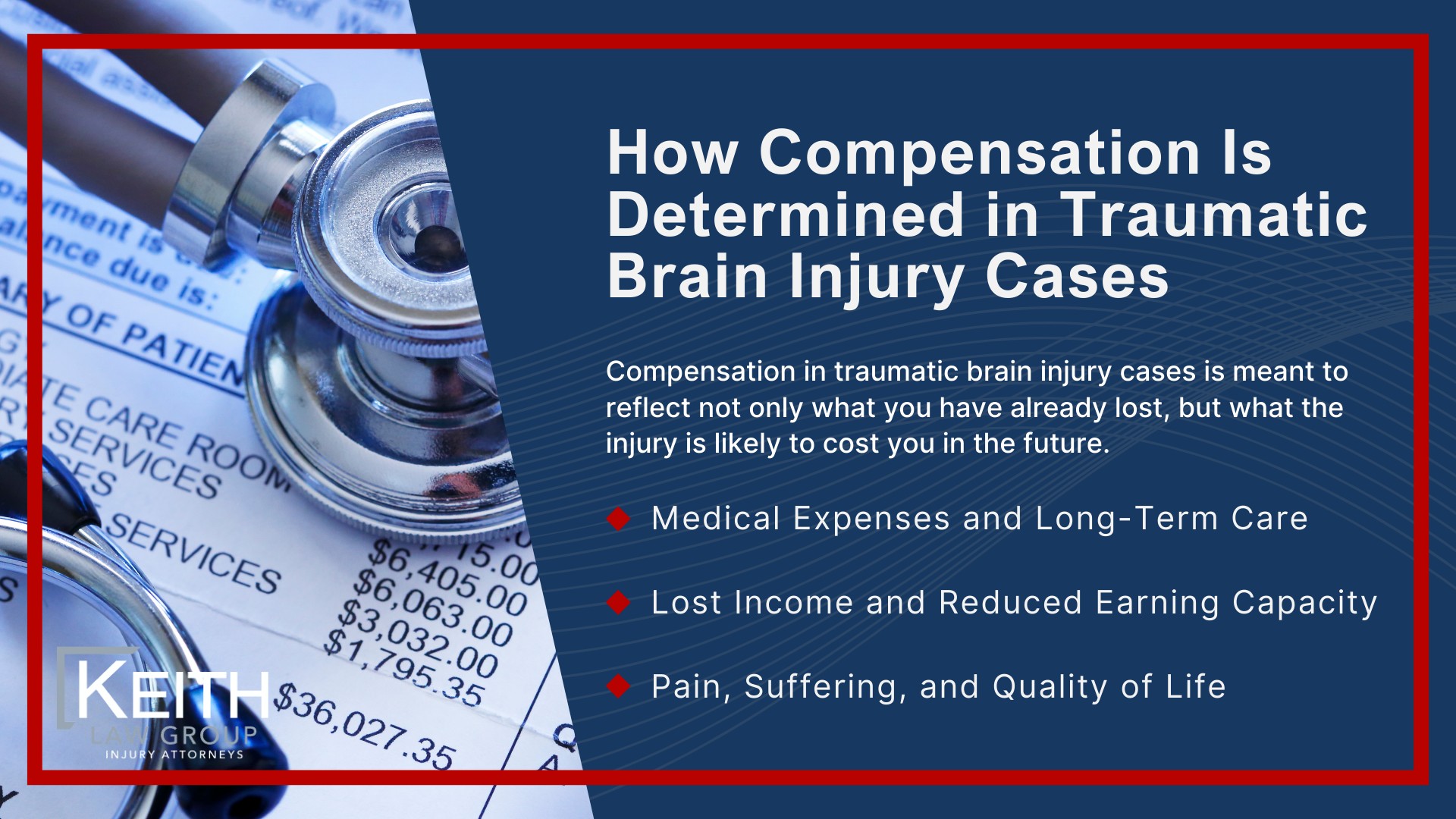
Compensation in traumatic brain injury cases is meant to reflect not only what you have already lost, but what the injury is likely to cost you in the future.

Because brain injuries often have lasting or permanent effects, these cases require a broader and more careful evaluation than many other personal injury claims.

Medical Expenses and Long-Term Care

Medical costs are often the most immediate concern after a traumatic brain injury.

These may include any amount you’ve had to pay for.

Medical expenses include:

  • Emergency treatment
  • Hospitalization
  • Diagnostic imaging
  • Surgery
  • Follow-up care

For more serious injuries, compensation must also account for ongoing medical treatment, rehabilitation, therapy, medication, and long-term care needs.

And when future care is likely, the projected costs must be documented and included in the claim.

Lost Income and Reduced Earning Capacity

A brain injury can interrupt your ability to work, either temporarily or permanently.

Compensation may include lost wages for time missed during recovery, as well as diminished earning capacity if the injury limits the type of work you can do or the number of hours you are able to maintain.

In severe cases, this loss can extend over the course of a lifetime.

Pain, Suffering, and Quality of Life

Traumatic brain injuries often affect more than physical health.

Cognitive difficulties, emotional distress, chronic pain, and changes in personality or independence can significantly reduce quality of life.

These non-economic damages are harder to quantify, but they are a critical part of understanding the true impact of a serious brain injury.

What We Can Do for Your Traumatic Brain Injury Claim

When you are dealing with a traumatic brain injury, the legal process can feel overwhelming.

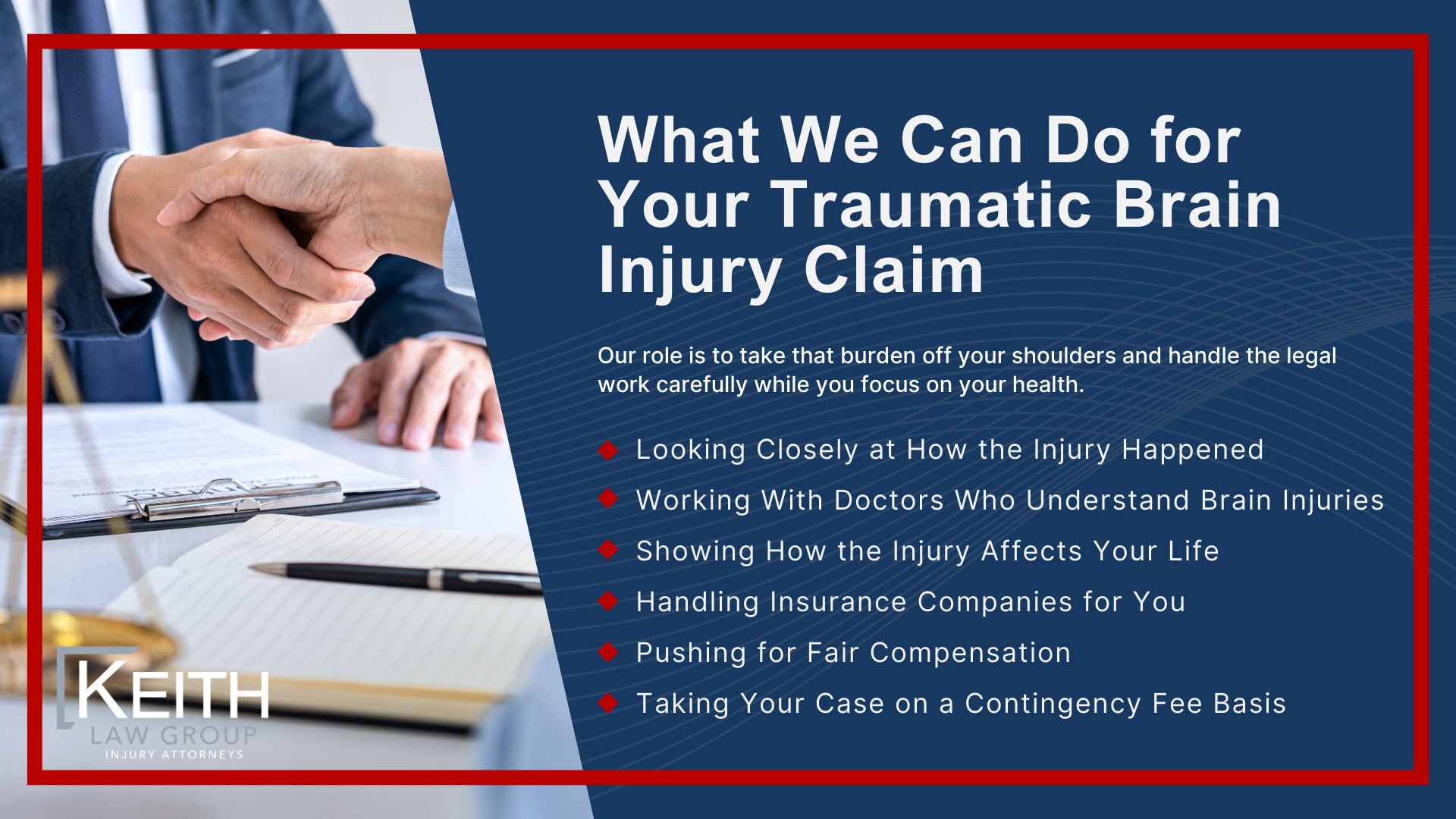
Our role is to take that burden off your shoulders and handle the legal work carefully while you focus on your health.

Looking Closely at How the Injury Happened

A personal injury attorney from our team will start by taking the time to understand how the injury occurred.

Some of the most important tasks we perform are:

  • Reviewing accident reports
  • Speaking with witnesses
  • Examining available evidence
  • Determining who may be responsible

When needed, we work with specialists to explain how the forces involved caused damage to the brain.

Working With Doctors Who Understand Brain Injuries

We work with neurologists and other medical professionals to understand the injury and how it affects daily life.

Their input helps explain symptoms that may be subtle, delayed, or difficult to describe, and helps clarify what medical care may be needed going forward.

Showing How the Injury Affects Your Life

Brain injuries often change routines, work, and relationships in ways that are not obvious on paper.

We document how the injury affects concentration, memory, mood, and independence, as well as how it impacts your ability to earn a living.

This helps ensure the full effect of the injury is understood, not just the initial diagnosis.

Handling Insurance Companies for You

Insurance companies often question brain injury claims or push for early settlements.

We take over communication so you are not pressured while still recovering.

Our focus is on protecting your claim and making sure it reflects the reality of your injury.

Pushing for Fair Compensation

We work to help you recover compensation that reflects what you are dealing with now and what you may face in the future.

That includes medical bills, lost income, and the long-term impact on your quality of life.

Taking Your Case on a Contingency Fee Basis

One of the things that keeps victims on the fence is the cost of hiring a lawyer, but we take cases on a contingency fee basis.

This means you pay nothing up front if we choose to represent you.

We’ll recover a percentage of your personal injury settlement when we win your case.

Keith Law Group: Get an Experienced Brain Injury Legal Team in Your Corner

A traumatic brain injury can affect nearly every part of your life, from how you think and feel to how you work and care for yourself or your family.

When a brain injury is caused by someone else’s negligence, having the right legal support matters.

We represent individuals and families in Little Rock and across Arkansas who are facing the long-term effects of traumatic brain injuries.

Contact us for a free consultation, and find out instantly if you’re eligible for a traumatic brain injury lawsuit.

You can also use the chatbot on this page to see if you qualify today.

Frequently Asked Questions

Published by:
Share

This article has been written and reviewed for legal accuracy and clarity by the team of writers and attorneys at Keith Law Group and is as accurate as possible. This content should not be taken as legal advice from an attorney. If you would like to learn more about our owner and experienced injury lawyer, Sean T. Keith, you can do so here.

Keith Law Group does everything possible to make sure the information in this article is up to date and accurate. If you need specific legal advice about your case, contact us. This article should not be taken as advice from an attorney.